How Often Should You Get a Deep Teeth Cleaning?
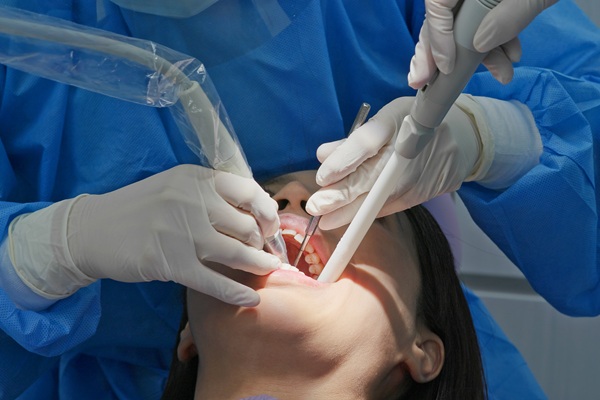
Deep teeth cleaning is an important part of maintaining good oral hygiene. Not only does it help to remove built-up plaque and tartar, but it can also help to prevent gum disease, cavities, and other dental issues. But how often should you get a deep cleaning? This blog post will discuss the recommended frequency of deep teeth cleaning to ensure optimal oral health.
The difference between a regular dental checkup and a deep cleaning
Regular dental checkups are recommended twice a year for the average person, but not all dental appointments are created equal. A regular dental checkup typically involves a visual exam of your teeth and gums, cleaning, and fluoride treatment. On the other hand, deep teeth cleaning is a more comprehensive treatment that is performed when there is a significant amount of tartar buildup and bacteria beneath the gum line. During a deep cleaning, your dentist or hygienist will use special dental instruments to remove plaque, tartar, and bacteria from your teeth and gums. The process can take longer than a regular checkup, but it is necessary for people with gum disease or those at high risk of developing it.
Who needs a deep cleaning?
A deep cleaning, also known as scaling and root planning, involves removing plaque and tartar buildup below the gum line and smoothing out any rough areas on the roots of the teeth. This helps to prevent further gum disease and tooth decay. While regular dental cleaning is sufficient for most people, some individuals require a deeper cleaning. You may be a candidate for deep cleaning if you have extensive plaque buildup, gum disease, or chronic bad breath. Additionally, if you have not had a cleaning in over a year or have not maintained regular brushing and flossing habits, you may also require a deeper cleaning. Your dentist or dental hygienist can assess your oral health and recommend whether or not you need a deep cleaning. It is important to note that deep cleaning should only be done when necessary, as it can be more invasive than regular cleaning.
How often should I get one?
The frequency with which you should get a deep cleaning varies depending on a variety of factors, such as your age, your oral hygiene habits, and any existing dental problems.
As a general rule of thumb, it is recommended that you get a deep cleaning at least once every six months. This is the same frequency as a regular dental checkup and cleaning.
However, some people may need more frequent deep cleanings. For example, if you have a history of gum disease, your dentist may recommend that you get a deep cleaning every three to four months to prevent the condition from worsening.
Similarly, if you have poor oral hygiene habits or smoke, you may need more frequent deep cleanings to keep your teeth and gums healthy.
Ultimately, the best way to determine how often you should get a deep cleaning is to speak with your dentist. They can evaluate your oral health and provide recommendations based on your individual needs.
It is important to note that failing to get a deep cleaning when recommended can put you at risk for a variety of dental problems. For example, built-up plaque and tartar can lead to tooth decay, gum disease, and even tooth loss. By staying up to date on your deep cleanings, you can maintain optimal oral health and avoid more serious problems down the line.
The risks of not getting one
If you neglect to get a deep cleaning when recommended, you could be putting your oral health at risk. Deep cleanings are necessary to remove plaque and tartar buildup that regular brushing and flossing cannot reach. If left untreated, plaque and tartar can lead to serious dental issues, including gum disease and tooth decay.
Gum disease is a common problem that occurs when plaque and tartar buildup irritates and infects the gums. In its early stages, gum disease is known as gingivitis, which can cause inflammation, bleeding, and tenderness in the gums. Untreated, it can progress to periodontitis. Periodontitis is a more severe form of gum disease that can cause bone loss and tooth loss.
Tooth decay is another risk. Plaque and tartar buildup can lead to cavities forming, eventually leading to tooth decay. Tooth decay can cause pain and sensitivity and can even require root canals or extractions.
Request an appointment here: https://oaktreedentalpoway.com or call Oak Tree Dental at (858) 377-5533 for an appointment in our Poway office.
Check out what others are saying about our dental services on Yelp: Dental Cleaning and Examinations in Poway, CA.
Related Posts
Looking for information on preventive dentistry? Read on to learn more. A good preventive dentist can save you money on significant tooth problems, pain, and costly treatments in the future. All treatments or procedures that prevent tooth decay, tooth damage, and gum disease fall under preventive dentistry. Fortunately, when preventive dentistry is incorporated into daily…
A general dentist knows how difficult it is to manage each day with misaligned teeth. It is good to know about various teeth-straightening treatments available now. A straight smile can make you look, speak, and eat better. If you want to know about the teeth-straightening treatments you can get from your general dentist, here are…
Tooth decay is one of the most common oral health concerns that general dentistry offices deal with. The good news is that there are effective and minimally invasive ways to treat most cases of tooth decay, and patients can prevent tooth decay from developing through good oral hygiene practices and regular dental cleanings.Tooth decay is…
During a visit to the general dentistry office, the dental professional will typically emphasize the importance of flossing. If you tend to forget to floss every day or have trouble with the process, you are not alone. The time and effort required to thread the floss between each tooth and remove plaque and food particles…