
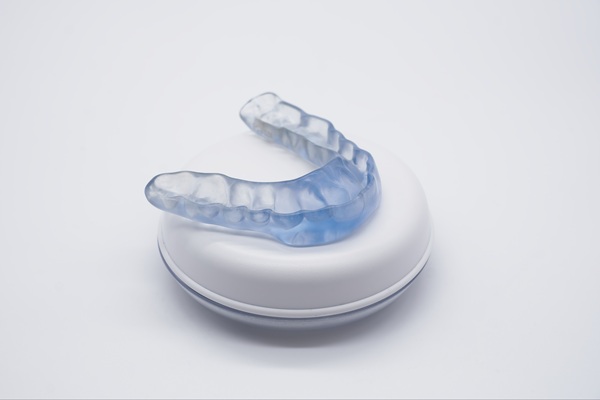
Many people grind or clench their teeth in their sleep and never know it. A night guard is one thing a dentist may suggest for it. This page explains in plain words what a night guard is, why people wear one, who may need one and what to ask. It is general information, and your dentist advises what suits your mouth. You can read more about our night guards.
What a night guard is
A night guard is a removable cover that fits over your teeth while you sleep. It sits between the upper and lower teeth, so they do not press or slide directly against each other. It is worn at night and taken out in the morning. Oak Tree Dental offers night guards, and your dentist looks at your teeth and bite before suggesting one.
A night guard is different from the mouth guard an athlete wears during sport. For a guard worn during sport, see our mouth guards page. This page is about guards worn for grinding or clenching during sleep.
Why people wear one
Grinding and clenching, sometimes called bruxism, put a lot of force on the teeth and jaw. Over time this force can wear the biting surfaces, chip or crack teeth and strain the jaw muscles. A night guard puts a barrier between your teeth, and that is why dentists suggest one. It does not stop the grinding itself. It gives the teeth a layer to meet instead of each other.
People most often talk about wearing one for these reasons:
- To shield the biting surfaces of the teeth from wear
- To reduce the chance of chipping or cracking when the teeth press together
- To ease the load on teeth that already have crowns or fillings
- Because a dentist noticed signs of wear at a checkup
Who may need one
A night guard may be worth discussing if you:
- Wake up with a sore jaw or tired face muscles
- Wake up with a headache
- Have a partner who hears you grinding at night
- Have teeth that look flattened, worn or chipped
- Have teeth that feel sensitive and you are not sure why
- Have crowns, veneers or fillings you want to look after
Not everyone who grinds needs a guard, and some people who need one do not know they grind. Your dentist checks your teeth and tells you what they see.
Signs of grinding or clenching
You cannot always tell by yourself, because it happens while you sleep. Signs to watch for include:
- Flat or shiny spots on the biting surfaces
- Small chips along the edges of the teeth
- Gums that look pulled back from worn teeth
- Pain or tightness in the jaw, especially in the morning
- Clicking or discomfort when you open your mouth wide
- Cheeks with ridges where you have been biting them
Jaw pain can also have other causes. If you have ongoing jaw pain or clicking, our page on a TMJ dentist explains how we can help.
Types and fit
Night guards come in different forms. Some are ready-made and some are made for your mouth. A guard made from a record of your own teeth is shaped to fit them, which usually makes it easier to wear. A ready-made one is not shaped to your teeth, and it may feel bulky or move around. Your dentist can explain the options and what fits your situation. Comfort matters, because a guard that is hard to wear tends to stay in the drawer.
If you try a guard and it feels uncomfortable, tell your dentist. It can often be adjusted.
Caring for your night guard
Looking after your guard keeps it clean and in good shape:
- Rinse it after you take it out each morning
- Clean it gently with a soft toothbrush and mild soap, as your dentist advises
- Let it dry, then keep it in its case
- Keep it away from heat, such as a hot car or hot water
- Keep it away from pets, who like to chew them
- Bring it to your checkups so your dentist can look at it
Ask your dentist if you are unsure how to clean yours, because the advice can vary with the type of guard.
Questions people ask
What is the downside of a night guard?
Some people find a guard strange to wear at first. It can feel bulky, and a poorly fitting one can be uncomfortable. It also needs cleaning each day. If you have trouble, tell your dentist, who can adjust or change it.
Is it okay to wear it every night?
Your dentist tells you how often to wear yours. Many guards are worn nightly, and your dentist checks the fit and the wear at your visits.
What if I stop wearing it?
The guard no longer sits between your teeth, so if you grind, the teeth meet each other again. Talk to your dentist before you stop, especially if you have started to notice more wear.
Can a night guard stop me grinding?
No. A guard gives your teeth something to meet, but the grinding itself can continue. Your dentist may talk with you about what might be behind it.
Do I need a guard if I do not grind?
Probably not. A guard is for people who grind or clench. Your dentist advises.
How do I get a night guard?
Start with an exam. Your dentist looks at your teeth, asks about your symptoms and tells you whether a guard is right. Request an appointment or call us.
When to call us
Call our office if you wake up with a sore jaw or a headache, if you notice chips, flat spots or new sensitivity on your teeth, or if your guard cracks, no longer fits or feels uncomfortable.
Check out what others are saying about our dental services on Google: Night Guards in Poway, CA
 Check out what others are saying about our dental services on Google:
Ask about a night guard
If you think you grind your teeth, our team is glad to take a look and talk through your options. Read about our night guards, then call (858) 748-2101 or book a visit at our Poway office.
Individual results vary. How long a treatment lasts, and how it looks and feels, depends on each patient.