
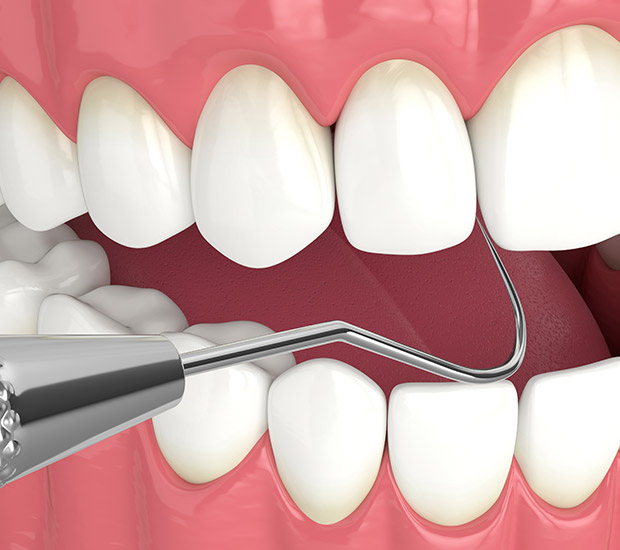
Interactive periodontal probing is a method used to measure pocket depths around a tooth and establish a patient's state of health. It is also referred to as periodontal testing. Complete health dentists conduct these tests to determine tooth or gum issues as well as underlying health conditions that present themselves through gum health.
Periodontal probing is considered interactive as the dentist and patient both gain an in-depth understanding of each tooth's state and the mouth's overall condition. These insights help the dentist create a complete treatment plan that targets both the patient's oral and systemic health. The test can also diagnose a patient with periodontal disease in its early stages.
Interactive periodontal probing is available at Oak Tree Dental in Poway and the surrounding area. Our staff can help you learn more about the test and answer any questions you have. Call us at (858) 748-2101 to schedule a consultation appointment today.
Performing periodontal probing
Dentists insert a periodontal probe (a thin measuring instrument) into the space between the gum tissue and each of the teeth (called the pocket). The tool measures the depth of that pocket. A healthy pocket depth is between 1 to 3 mm of depth.
If the dentist discovers pocket depths above 4 mm during periodontal probing or if the gums bleed during the procedure. In this case, these signs could tell the dentist that a person has gum disease or periodontal disease. If pockets are deeper than 5 mm, it will be harder to keep teeth and gums clean. At this point, the dentists may recommend additional interventions.
“If pockets are deeper than 5 mm, it will be harder to keep teeth and gums clean.”
Periodontal charting
Periodontal charting is a part of a patient's dental or gum chart that indicates the state of the teeth and mouth's health. A periodontal chart includes six measurements (in millimeters) that are taken around each tooth. The main reason for periodontal charting is checking for periodontal disease, but it is also beneficial to check for many other oral and systemic health concerns.
What it reveals
The chart is a pictorial representation of the mouth and includes graphics and information pertaining to the tests conducted during the first appointment. Healthline provides the conditions and issues that a periodontal test and chart reveal:
- areas of decay (cavities)
- missing teeth
- depths of your gum pockets, bleeding points during probing, and gum recession
- abnormalities in your teeth, such as rotations, erosion, or abrasions in your teeth or enamel
- damage to your teeth
- presence of crowns, bridges, implants, and fillings
- attachment of your teeth to the gums
- any movement in your teeth
- any bleeding in your gums
“A periodontal chart includes six measurements (in millimeters) that are taken around each tooth.”
Risk assessment that dentist makes
Periodontal probing and charting allow dentists to assess a patient's risk of acquiring periodontal disease as well as other oral and systemic diseases. A Journal of Periodontology study on risk factors explains: "risk factors may be broadly categorized as: Systemic risk factors: factors that affect the host response to the plaque biofilm, upsetting the host-microbial balance; and Local risk factors: factors local to the oral cavity, which may influence plaque accumulation or occlusal forces." A periodontal chart reveals which factors are in play and their causes.
Risk assessments classify risks in terms of risk factors, risk indicators, and risk predictors. Risk factors include age, tobacco use, diabetes, stress, genetics, pregnancy, cardiovascular diseases, and poor oral hygiene. Risk indicators indicate whether visible risk factors, such as the presence of herpes viruses in subgingival plaque, are cause of an oral or systemic condition. Risk predictors are factors that have no current biological causing agent but have been associated with disease. For example, the number of missing teeth is a risk predictor for disease but may not indicate current periodontitis.
“A periodontal chart reveals which factors are in play and their causes.”
Check out what others are saying about our dental services on Google: Interactive Periodontal Probing in Poway, CA
 Check out what others are saying about our dental services on Google:
Candidates for periodontal testing
Current guidelines suggest all adults should receive a comprehensive periodontal evaluation, or CPE, each year. In addition to interactive periodontal probing, dentists should examine teeth, bite, tongue, gums, and lifestyle factors that could contribute to periodontal risks.
If risk assessments suggest a patient's risk is high, you may need more than one periodontal probe each year. Any of these factors could indicate the need for more frequent testing:
- Gingivitis
- Frequent cavities
- Smoking or vaping
- Pregnancy
- Menopause
- Obesity
- Medications that change your oral health
- Decreased immunity
- Diabetes, rheumatoid arthritis, and Crohn’s disease
“All adults should receive a comprehensive periodontal evaluation, or CPE, each year.”
Questions answered on this page
Q. What does periodontal probing reveal?
Q. What is a risk assessment and what does it show?
Q. How is the periodontal probing performed?
Q. Who are candidates for periodontal testing?
People also ask
Q. What are the signs of gum disease?
Q. What can I do about receding gums?
Q. What should a home oral care routine include?
Frequently asked questions about interactive periodontal probing
The answer depends on the patient. Current guidelines suggest healthy adults receive annual periodontal probing to reduce the risk of gum disease. Patients whose dentists identified higher risk assessment factors may need more frequent periodontal probing to prevent oral health complications.
If you already have periodontal disease, you may experience slight discomfort during periodontal probing. However, little pain is reported during the procedure. If you are concerned about the procedure, you may talk to your dentist about topical numbing creams.
This procedure is designed to check the health of your gums and assess risk factors, including bleeding gums. If your gums bleed during periodontal probing, it is likely a sign that their health is compromised. Bleeding gums are rarely due to probing alone.
If periodontal probing reveals that you have pockets over 4 mm, you may need frequent in-office cleanings. At this stage, at-home oral hygiene will be difficult. Your dentist can offer specific recommendations but will likely recommend visits every three to six months to prevent disease progression or tooth decay.
It is important to work to prevent and treat periodontal disease. Studies have shown gum disease may increase one's risk of other health problems such as high blood pressure, diabetes, and stroke. Some studies even link periodontal disease to cancer, dementia, arthritis, and kidney disease.
Dental terminology
Bacterial plaque is a sticky film consisting of bacteria that coats teeth and can lead to tooth decay without proper oral hygiene.
A Comprehensive Periodontal Evaluation is a screening that assesses the patient’s periodontal health by examining their teeth, amount of plaque, gums, bite, bone structure, and risk factors.
Dental caries are also known as cavities and result from a lack of proper oral hygiene leaving plaque that forms tiny holes in the teeth.
Functional dentistry involves a strong focus on identifying the root cause of oral health issues and not just treating the symptoms.
Gingivitis is the inflammation of gum tissue that results from plaque, other infections in the mouth and poor oral hygiene.
Periodontal disease is a condition that causes inflammation of the gingival tissues and membrane of the teeth, leading to tooth loss without professional treatment.
A periodontal pocket is a potential area of space, known as a gingival sulcus, which is deeper than normal and can contain bacteria that cause an infection.
Periodontal charting is a part of a patient’s dental or gum chart that indicates the state of the teeth and mouth’s health in order to monitor for periodontal disease and other oral health concerns.
Call us today
If you are looking for more information pertaining to periodontal probing or testing, call us today at 858-748-2101 to learn more or make an appointment.
Individual results vary. How long a treatment lasts, and how it looks and feels, depends on each patient.