
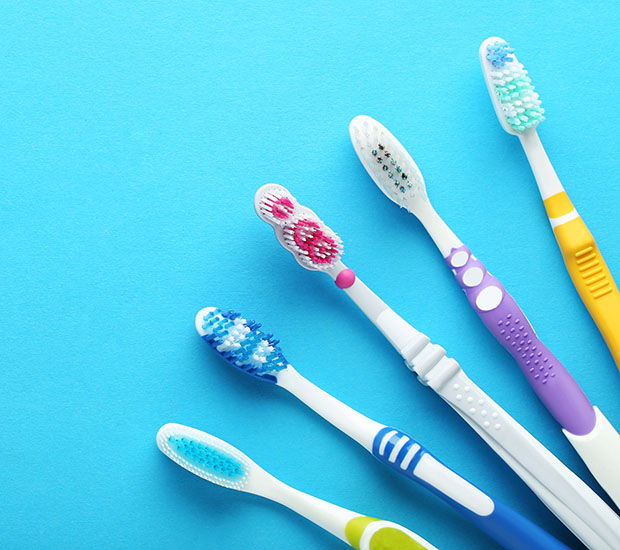
Routine dental care is essential to keeping the smile healthy. Consistently practicing good oral hygiene helps reduce the overall risk of disease. From home care to routine dental checkups to appointments with a specialist, routine dental care may vary over time.
To speak with a dentist to learn more about what your routine dental care should look like in Poway call our office at (858) 748-2101.
The importance of routine dental care
The lifelong practice of good oral hygiene can also reduce the chances of tooth loss. Periodontal disease, also called gum disease, is the most common cause of tooth loss in adults. Just a few minutes of routine oral care every day can help prevent gum disease and keep teeth healthy and strong.
Problems in the mouth can affect the health of other areas in the body. The mouth is full of bacteria. Most of these bacteria are harmless, but some can cause disease. Good dental hygiene habits, such as brushing and flossing regularly, can keep these bacteria under control. Without proper dental care, however, these bacteria can cause infections, which allow them to enter the bloodstream and cause damage to other parts of the body.
“Periodontal disease, also called gum disease, is the most common cause of tooth loss in adults.”
Scheduling dental care
According to the American Dental Association (ADA), in 2014, only 15.4% of U.S. adults reported visiting the dentist every six months once per year, despite the overwhelming amount of evidence that dental health is integral to overall health. As such, it is essential that patients make room for dental care in their schedules whenever possible.
Before leaving the dentist's office, make sure to schedule another appointment in six months. Scheduling the next dental exam in advance will help ensure that exams and cleanings occur twice a year as recommended. If a patient needs more frequent appointments or additional treatments, the dental staff will help schedule them.
“Periodontal disease, also called gum disease, is the most common cause of tooth loss in adults.”
At-home dental care
Good oral care starts at home. Teeth should be brushed and flossed regularly, and cavity-causing sugar should be limited or avoided entirely.
Brush
Teeth should be brushed at least twice a day with a soft-bristled, American Dental Association-approved toothbrush and fluoride toothpaste. Approved products include, but are not limited to, Arm & Hammer™ Dental Care Toothpaste, Colgate® Cavity Protection Fluoride Toothpaste & Gel, and Crest™ Cavity Protection Cool Mint Gel & Paste.
Spend at least two minutes brushing. Do not rush. Spend 30 seconds on each quadrant of the mouth. Make sure to clean the surface of the teeth as well as the area where the teeth meet the gums.
Gently brush in circular motions. Do not brush too hard or use hard bristles, which can damage the gums.
Floss
A toothbrush cannot reach the tight spaces between the teeth and gums. Floss at least once a day to remove bacteria and food particles from these areas. A dental pick, pre-threaded flosser, or water flosser may be a better option for those who have difficulty using floss.
“Teeth should be brushed and flossed regularly, and cavity-causing sugar should be limited or avoided entirely.”
Check out what others are saying about our dental services on Google: Routine Dental Care in Poway, CA
 Check out what others are saying about our dental services on Google:
 Professional dental care
Regular dental exams and cleanings are also essential to keeping teeth healthy. Dental insurance generally covers dental exams every six months at no out-of-pocket cost. At the dental exam, the dental professional will check the teeth and gums for signs of gum disease and tooth decay. They may also examine the tongue and other areas of the mouth for signs of other health issues, such as oral cancer.
The dentist will decide if any additional treatment is needed, such as fillings for cavities. Try to schedule these services as soon as possible to keep any issues from becoming worse. Ignoring a cavity or other problems could lead to a more serious procedure in the future, such as a root canal or tooth extraction.
“Regular dental exams and cleanings are also essential to keeping teeth healthy.”
Questions answered on this page
Q. Why is dental care so important?
Q. Why is it important to schedule dental visits in advance?
Q. What steps should I take to care for my dental health at home?
Q. What happens during a routine dental checkup?
People also ask
Q. Why does the dentist use fluoride mouthwash in the cleaning?
Q. What is restorative dentistry?
FAQs
See your dentist every six months for routine exams and cleanings. If you need special treatment, such as fillings, you may need additional appointments.
Dental insurance is typically separate from regular health insurance. If you have insurance through your employer, check to see if dental insurance is included. If you are not sure, contact your HR department. If you have a health plan from the health insurance marketplace, it will not include dental insurance. You must pay for a separate dental plan.
Most dental insurance plans cover routine exams and cleanings, as well as X-rays. Services like fillings and extractions may be covered at a certain percentage. However, you may have to first meet your deductible. Contact your insurance plan to find out the specifics about your coverage.
Yes, funds in a flexible spending account (FSA) or health savings account (HSA) can often be used for dental care. Check your plan to make sure. Elective procedures, such as teeth whitening, may not be included.
If you are experiencing one or more of these symptoms, get checked out right away to prevent more serious issues and infections.
Dental terminology
Cosmetic dentistry is generally used to refer to any dental work that improves the appearance (though not necessarily the function) of a person’s teeth, gums and/or bite.
Tooth decay is when the enamel of the tooth begins to decay and cause erosion from plaque and tartar on the teeth.
Dental caries are also known as cavities and result from a lack of proper oral hygiene leaving plaque that forms tiny holes in the teeth.
A dental checkup is an appointment that involves cleaning the teeth, identifying any signs of infection and removing said signs of infection at least once every six months in the office.
A dental filling involves restoring the structure of the tooth by using metal, alloy, porcelain or plastic to fill the tooth.
A dental prophylaxis is a professional and detailed cleaning that involves the removal of plaque, calculus and stains from the teeth.
Dental sealants contain a resinous material that we apply to the chewing surfaces of the posterior teeth to prevent dental caries.
A dentist, also known as a dental surgeon, is a doctor who specializes in the diagnosis, prevention, and treatment of diseases and conditions of the oral cavity.
Gingivitis is the inflammation of gum tissue that results from plaque, other infections in the mouth and poor oral hygiene.
Preventive dentistry is the dentistry that focuses on maintaining oral health in order to prevent the spread of plaque, the formation of tartar and infections in the mouth.
Call us today
Our dental team is here to provide exceptional dental care that meets the needs of a variety of patients. To schedule a dental checkup or exam, patients may call our office to request an appointment. Request an appointment with our dentist at Oak Tree Dental by calling our office at 858-748-2101 today!
Individual results vary. How long a treatment lasts, and how it looks and feels, depends on each patient.