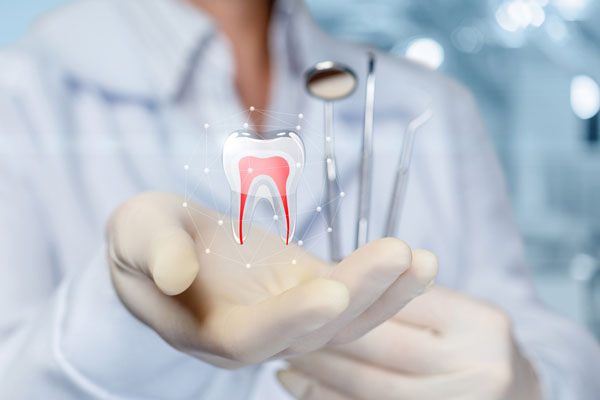
Dental restorations offer ways to remove damaged tooth enamel, halt further decay, and restore the function of damaged or lost teeth. However, some mistaken beliefs prevent people from getting necessary care for oral health. Understand how to separate fact from fiction to make better choices for your dental care.Learn the truth behind the following four…
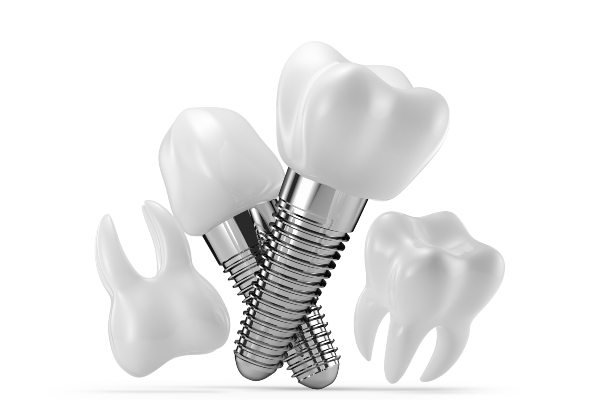
If you have lost one or more of your teeth, talking to an implant dentist might provide the tooth replacement solution you are looking for. Dental implants are one of the most popular ways to replace missing teeth. Whether you are missing one tooth or all of your teeth, chances are there is an implant…

There are specific signs that an implant dentist looks for to determine if dental implants are appropriate for a patient. In this review, we discuss these signs to help you make an informed decision about your choice for teeth replacement.Dental implant treatment involves the placement of implants into the jaw, followed by the attachment of…
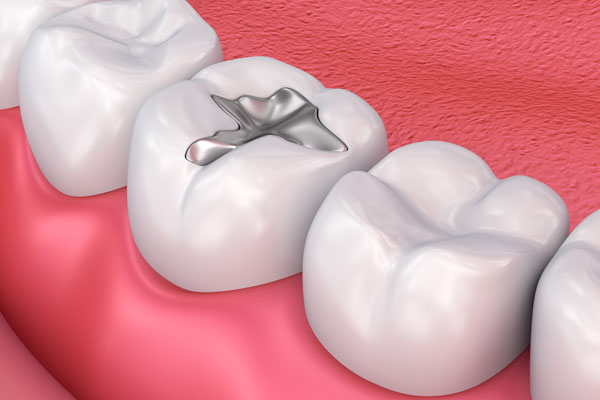
Dental restorations are for patients with missing, weakened, fractured, or decayed teeth. A restoration replaces or repairs missing teeth or parts of the tooth's structure. If a tooth shows signs of decay or may cause trouble later, dentists can strengthen the tooth to avoid future issues. When it comes to dental restoration, two common types…

Full mouth reconstruction is a comprehensive dental treatment plan that addresses both the appearance and function of your smile. General dentists integrate restorative and cosmetic procedures, leading to long-term oral health benefits. Here is how a full mouth reconstruction can improve your smile and overall quality of life.Full mouth reconstruction is not a single procedure.…

Wisdom teeth extraction involves removing one or more of the teeth of the third set of molars. This can be performed before the tooth erupts, after the tooth has grown in, or if the tooth becomes impacted, i.e., it has only partially erupted from the gums. Extraction may be recommended for a variety of reasons.If…
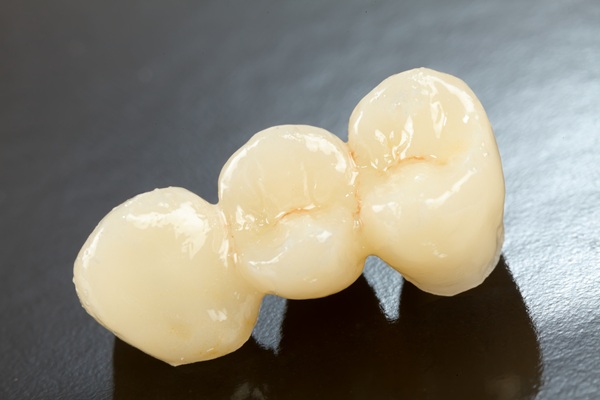
Dental bridges are a reliable and effective solution for replacing missing teeth, restoring both the function and appearance of the smile. They fill the gaps created by one or more absent teeth, preventing surrounding teeth from shifting and maintaining proper alignment. Dental bridges offer a long-term solution that supports oral health, enhances chewing and speaking,…
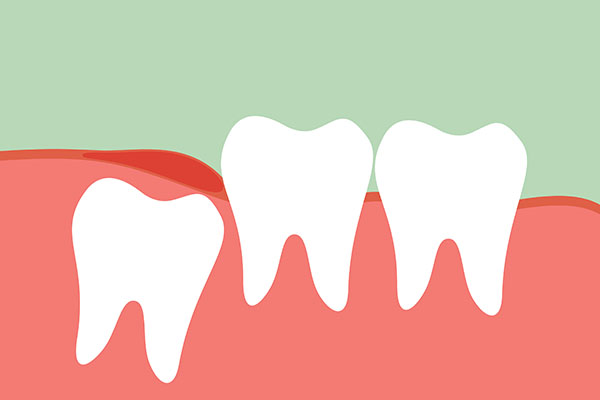
Your third molars are your wisdom teeth. These teeth appear between 14 and 30 years old. Your mouth is not big enough to have two third molars on the upper jaw and another two on the lower jaw. This results in third molars growing in incorrect positions. Infection is a common outcome of wisdom teeth.…
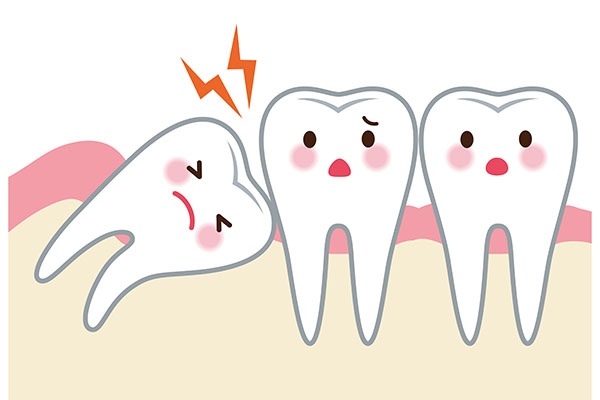
If you have wisdom teeth coming in, it may be a good idea to talk to your dentist. Removing these teeth might be the right option so that you can avoid pain and discomfort. There often is not enough space for these teeth to grow in properly. This creates a host of concerns and health…

Unlike other teeth, wisdom teeth do not show up until you are around age 20. Some people get them as early as age 17, while other people may not see them erupt until age 25. In either case, these third molars can cause troubling issues cosmetically and for your oral health. Your dentist will examine…

Wisdom teeth are notorious for not coming in well and leaving your mouth feeling crowded. There are other health concerns and cosmetic issues that can arise when these teeth are impacted. It should not be a surprise why dentists frequently recommend that these teeth come out, often before they erupt. If you decide not to…

Implant dentistry is an advanced dental solution that provides a long-lasting way to replace missing teeth while also playing a crucial role in supporting bone health and jaw strength. Many people are unaware of the connection between tooth loss and bone loss, but the truth is that losing teeth can weaken the jawbone over time.…