If your dentist has mentioned a crown, you may be wondering what it is for and whether you really need one. In short, a crown protects a tooth that is too damaged or weak to manage on its own and gives it back its shape. This page explains in plain words what a crown does,…

Having a wisdom tooth removed is a routine procedure, and many people go through it without any trouble. Still, as with any procedure, problems can sometimes happen, and knowing the signs helps you act early. This page gives general information about the complications that are described in published dental guidance, and when to contact your…

Wisdom teeth cannot fit in the mouth. Four of your adult teeth are wisdom teeth. These teeth erupt after the second molars are already set in the back of the mouth. Because of this, wisdom teeth do not erupt the right way. Some of them cannot even break through the gums. If you want to…

It is common to remove wisdom teeth for cosmetic and health reasons. A dentist has the knowledge and training to perform this procedure and determine whether you are a good candidate. These teeth usually come in by the time you reach your early 20s. Usually, you will have four of these teeth — two on…

If a patient suffers from misaligned teeth or a misaligned bite, Invisalign® clear aligners might be the solution they need to ensure their smiles stay bright – and straight! As one of the most trusted clear aligner systems will help straighten teeth and correct the bite without wires and brackets, meaning that patients can smile…

Many people are told at some point that their wisdom teeth should come out, and it is fair to ask why. Not every wisdom tooth needs to be removed, and some stay in place for life without causing any trouble. This page explains the common reasons a dentist advises removal, so the advice makes sense…

You may have many questions about wisdom teeth and whether you should ask a dentist to remove them. This third set of molars can cause problems when they begin to erupt in the back of the mouth. While not everyone needs to have surgery to have them extracted, it may be good for your oral…

If your wisdom teeth are impacted, it may be time to think about visiting a dentist. Extracting these teeth can help you avoid serious oral health problems and cosmetic concerns. Not everyone requires the removal of these molars, but your dentist can determine whether this makes sense for you. Extracting these teeth can keep more…

Many dentists recommend that patients have their wisdom teeth, or the third set of molars, extracted during the teenage years. Wisdom teeth extraction is often recommended for patients whose teeth have been impacted or are causing problems such as crowding, gum inflammation, or pain in the mouth. Extraction can prevent complications for the gums, teeth,…

Getting your wisdom teeth out can be a scary event. The thought of going through surgery may make you nervous or anxious. But in many cases, removing these third molars is the right decision for your health and smile. You do not have to go into this procedure blindly, however. As you learn more about…
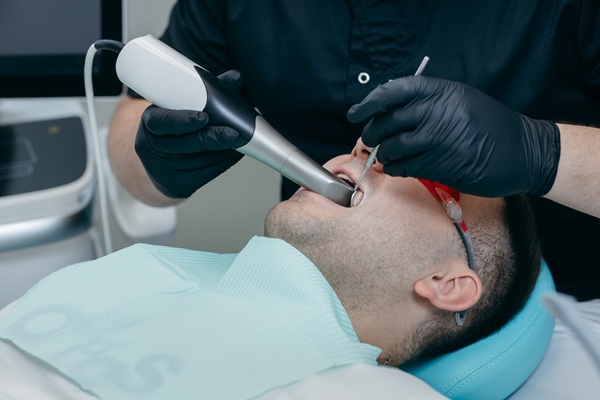
Oral cancer screening is an essential preventive measure in maintaining overall oral health. The early detection of oral cancer can significantly improve the chances of successful treatment and recovery. As a general dentist, it is vital to inform patients about the importance of regular oral cancer screenings and how these screenings can help identify potential…

Dentists regularly field questions about wisdom teeth from patients and young patients’ parents. If you are approaching the age when extracting these teeth is common, you may be curious as well. There are a lot of reasons why dental professionals recommend removing these molars. As you understand more about these teeth, you may realize why…